
Parking locks are divided into small parking locks and large parking flap locks. The function of the small lock is to protect a parking space and prevent it from being occupied. Residential quarters are where small locks were first applied and have the highest penetration rate. Today, in addition to protecting their own parking spaces, small locks are also used to manage charging parking spaces, reserved parking spaces and shared parking spaces. This article analyzes the other kind of parking lock: the parking flap lock.
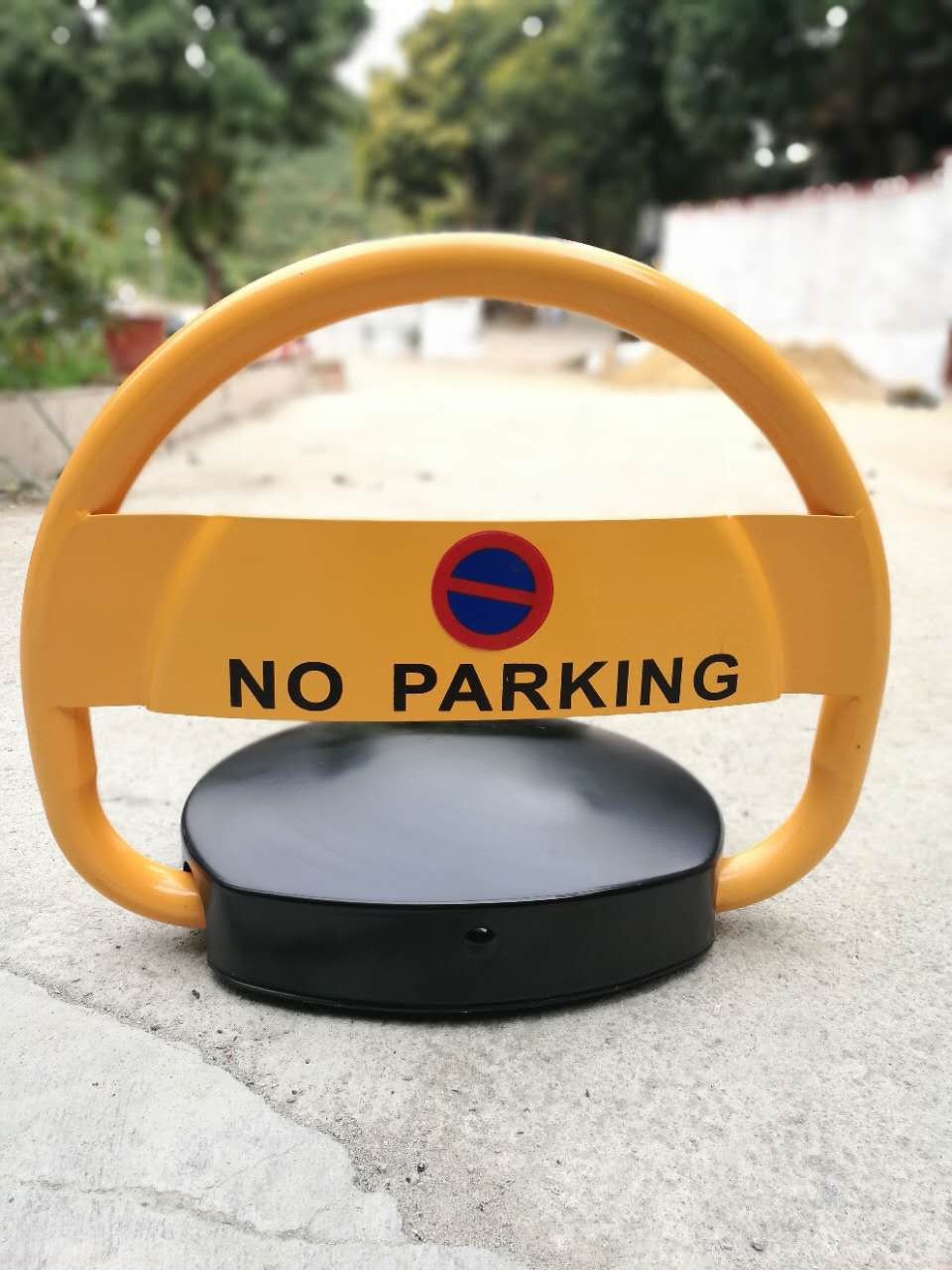
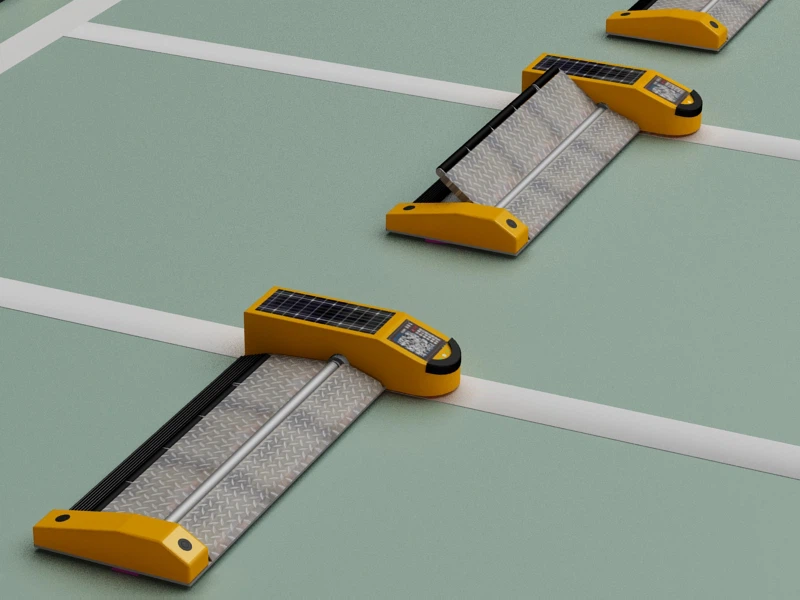
The main function of the flat parking lock is to prevent vehicles from leaving. It was introduced into China from Japan in 2002. It was first used for self-service parking fee management in open, non-standard, narrow and small parking lots above the curb that were not suitable for installing barriers. The "pay before lowering the board" attribute of the flat parking lock provides technical support for ensuring the charging rate of open parking spaces, and it gradually extended to road parking below the curb. It was first applied to the management of road parking fees in 2014. Since then, flat-panel parking lock technology has developed rapidly, adding Internet of Things elements as well as ground-mounted flat-panel parking locks that sit flush with the road surface, and lifting column-type parking locks similar to flat-panel locks based on road traffic requirements. Various product forms and power supply methods have also undergone various innovations.
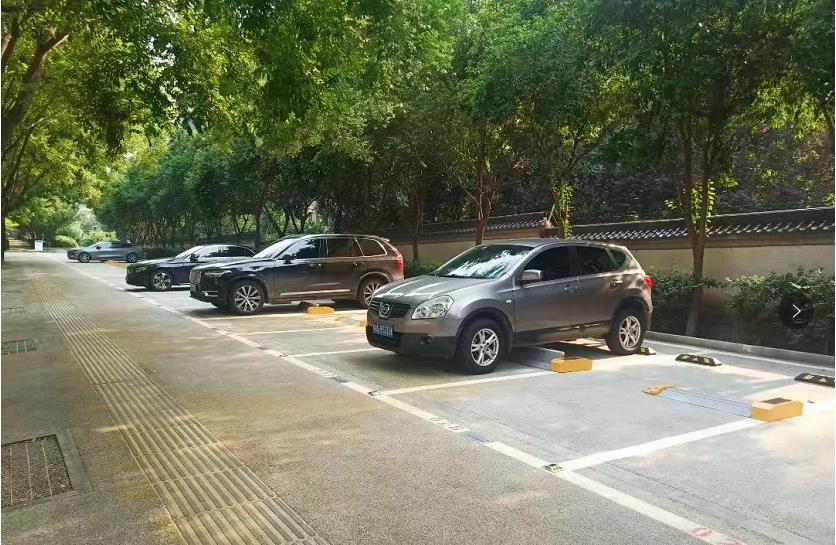
Since 2019, the application scale of flat parking locks in the field of road parking has continued to expand. According to rough statistics from MRCPO, the China Parking Network Market Research Center, as of the end of June 2022 there had been 20 large-scale (more than 500 berths) road parking smart flat-panel parking lock projects across the country. Since the beginning of this year, the flat-panel parking lock market, dominated by county towns, has begun to expand to prefecture-level cities.