
With the arrival of the rainy season, battery swapping stations, as an important part of urban energy infrastructure, face more severe operation and maintenance challenges. Humid environments can easily lead to equipment failures, affect normal use by users, and may even create safety hazards.
Therefore, it is crucial to maintain battery swapping stations properly on rainy days.
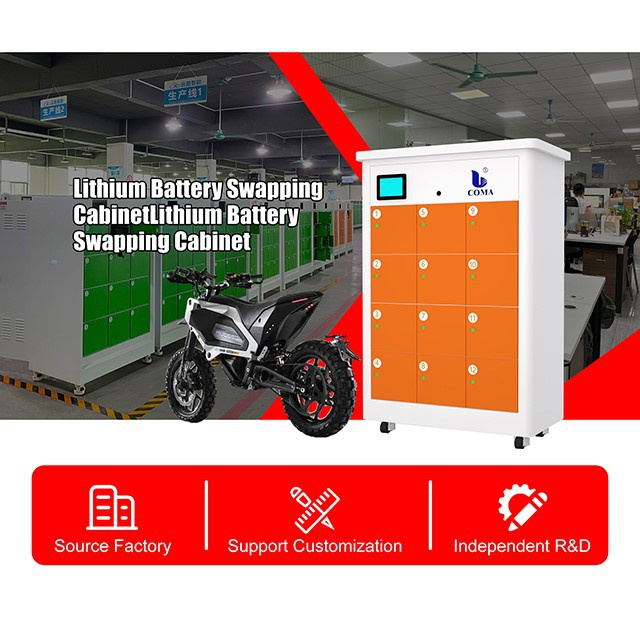
On rainy days, battery swapping stations are prone to problems such as cabinet water seepage, internal moisture, and short circuits in electrical components. These faults not only affect the normal operation of the equipment but may also cause safety accidents such as electric shock. Operation and maintenance personnel therefore need to focus on the following aspects.
First, strengthen waterproof sealing inspections. Carefully check whether the cabinet door sealing strips are aging or damaged and replace them in time; check whether the cabinet joints are well sealed and reinforce them with waterproof glue if necessary; and ensure that drainage holes remain unobstructed to avoid water accumulation.
Second, do a good job of moisture-proofing and dehumidification. Place moisture-proof agents inside the cabinet and replace them regularly; use dehumidifiers or fans when necessary; and consider installing automatic dehumidification devices in high-humidity environments.
Third, strengthen electrical safety inspections. Regularly check the insulation of wiring and replace aging cables in time; ensure that the grounding device is intact and effective; and increase inspections during thunderstorms, temporarily shutting down equipment if necessary.
Finally, establish an emergency plan. Develop a detailed fault-handling process for rainy days and equip it with necessary emergency supplies such as waterproof cloth and insulating tools; strengthen personnel training and improve emergency response capabilities.