
Barrier systems are the devices that control vehicle access in a parking lot. When a vehicle arrives or leaves, the barrier raises and lowers automatically after the vehicle has passed. However, because some products on the market rely on substandard technology, certain barriers fail to detect a passing vehicle or pedestrian, or react too slowly. The result can be a barrier arm striking a car or a person, causing damage or injury. For this reason, the safety of parking lot barriers and their anti-smashing technologies now receive considerable attention. Below we review several anti-smashing technologies used in barrier systems.
1. Infrared Anti-Smashing
Infrared anti-smashing works by installing infrared beams on both sides of the entry and exit barriers. If a vehicle moves into the path of the barrier while it is lowering, the beam is blocked and the barrier automatically rises again. The drawback of this approach is its limited detection range, and it is easily affected by rain or snow.
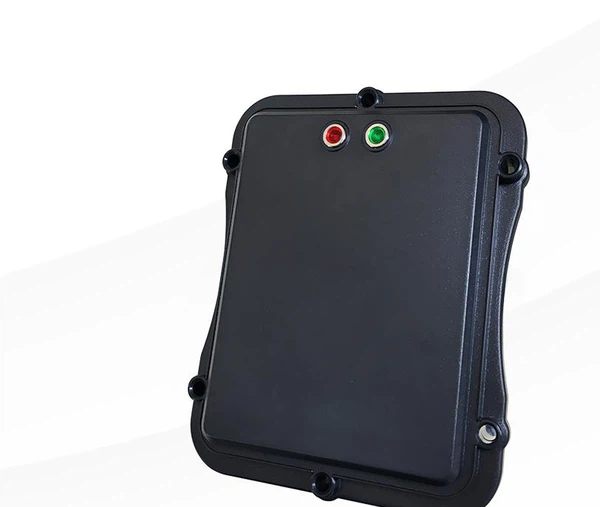
2. Pressure Wave Anti-Smash Technology
Pressure wave anti-smashing, also called resistance anti-smashing, relies on a resistance return device fitted to the barrier. If the arm meets a vehicle or pedestrian as it descends, the rubber strip along the arm registers resistance, and the intelligent device immediately switches the arm from the down position to the up position.
3. Ground Sensor Anti-Smash Technology
Most parking lots are fitted with ground sensors. When the vehicle detector receives a signal from the ground sensor, the barrier arm rises; when the signal disappears, the arm lowers. The reliability of this method depends on the stability of the ground sensor coil, since external interference can cause it to malfunction. In addition, a ground sensor can only detect vehicles and offers no protection to pedestrians.