
License plate recognition technology uses advanced image processing and artificial intelligence to enable card-free entry and exit, significantly speeding up vehicle traffic. It is widely used in major parking lots. The development of license plate recognition systems has improved parking lot management efficiency and reduced personnel costs, making them a crucial component of intelligent transportation.
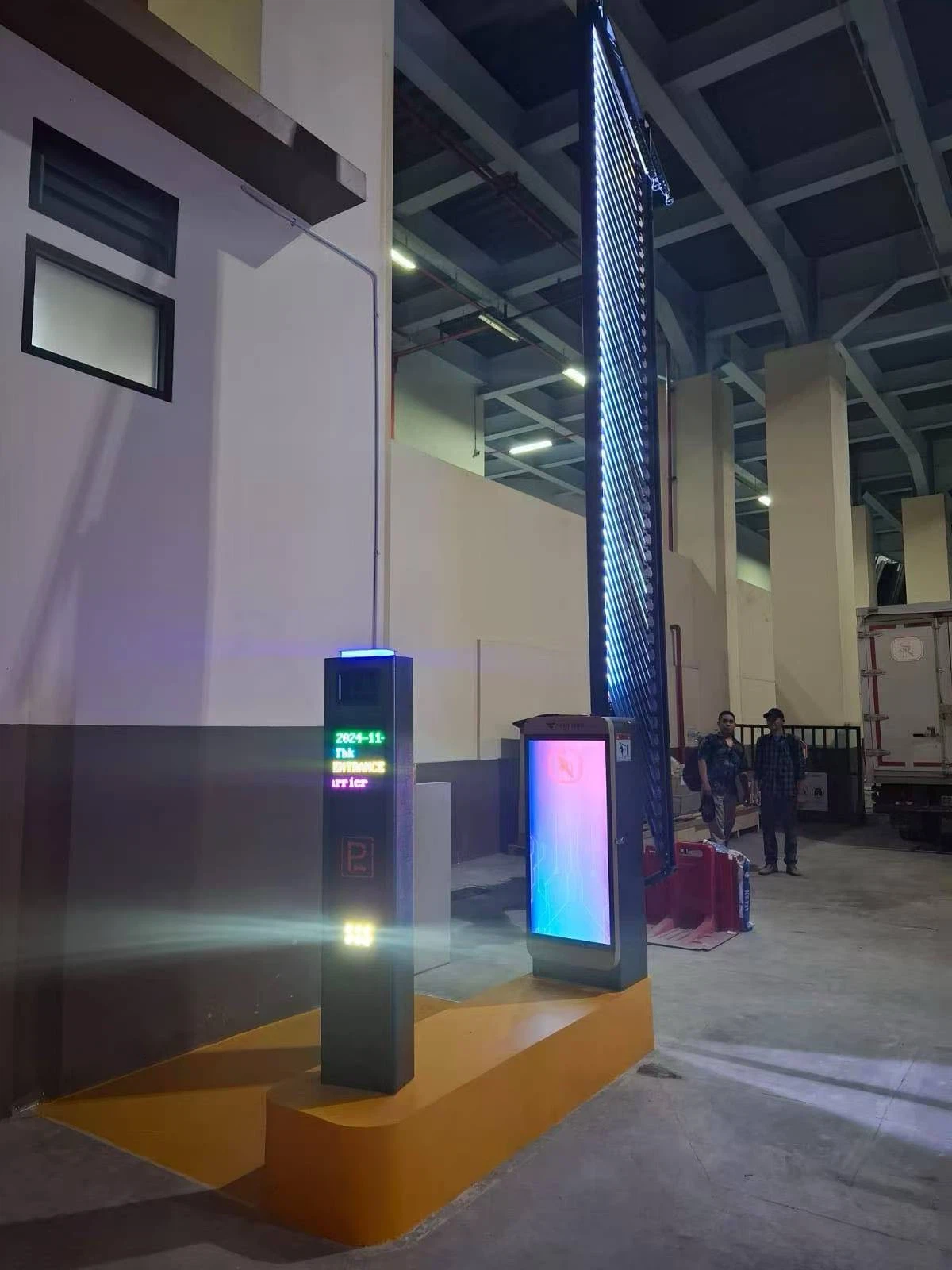
However, license plate recognition systems still sometimes make errors. So how can their recognition rate be improved?
We can optimize license plate recognition algorithms and improve their recognition rate by focusing on the following five characteristics:
-
Exactness: each computational step in the algorithm is precisely defined.
-
Finiteness: algorithms have a finite evolutionary process and cannot run indefinitely.
-
Input: the input is a specific license plate image.
-
Output: the output is the license plate recognition result.
-
Feasibility: the effectiveness of license plate recognition.
In addition to optimizing internal factors, the factors affecting license plate recognition rates include external ones such as viewpoint shifts, lighting, occlusion, scale, distortion and complex backgrounds.
The license plate recognition system consists of a checkpoint, vehicle detectors, high-definition license plate cameras, electronic display screens and a control center. The high-definition cameras capture inbound and outbound license plates, extracting and comparing images before and after the plate is released to determine whether the vehicle is allowed to pass. Parking lot license plate recognition places high demands on the entire system, and the external environment strongly affects the recognition rate.
First, ensure sufficient lighting in the parking lot. At night or in low light, additional lighting should be used.
Second, ensure that license plates entering and leaving the parking lot are undamaged so that the plate numbers can be recognized.