
Most modern parking management systems use license plate recognition to manage vehicles. Compared with traditional Bluetooth and IC card recognition methods, a license plate recognition barrier system mainly consists of a barrier, a high-definition license plate recognition camera, a fill light, a display screen, a vehicle detector, and an access control system. As living standards rise and car ownership becomes more common, a convenient parking management system can create a win-win situation for both property managers and car owners. So which tests are necessary for daily operation? Let us go through them today.
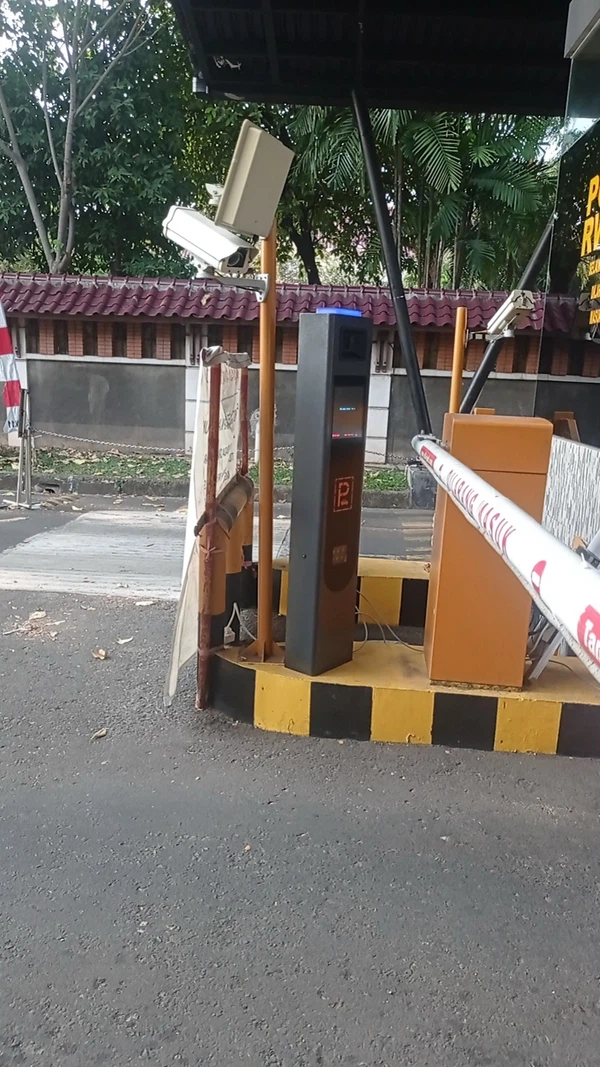
1. Functional Testing of Parking Management Systems
Functional testing should focus on the following capabilities:
-
Vehicle management: vehicle entry and exit.
-
Information query: entry and exit information, parking history, payment information, and recharge records for a given vehicle over a given period.
-
Information maintenance: user and parking card information.
-
System management: parking space information, billing standards, and parking space divisions.
2. Security Testing of Parking Lot Management Systems
The core functions of a parking lot management system are intelligent toll collection and access management. Because these systems integrate user, administrator, and parking space modules, a clear division of permissions is essential. Testing should also consider user conflicts and system disruptions that may arise when user permissions change.
On the database side, attention should be paid to data confidentiality, security, independence, and backup and recovery capabilities.
3. Performance Testing of Parking Lot Management Systems
Parking lots handle a large volume of vehicles entering and leaving during holidays and peak hours, which places heavy pressure on system performance. Performance testing should therefore concentrate on system response time, throughput, and the maximum number of concurrent users.