- Traffic efficiency compared
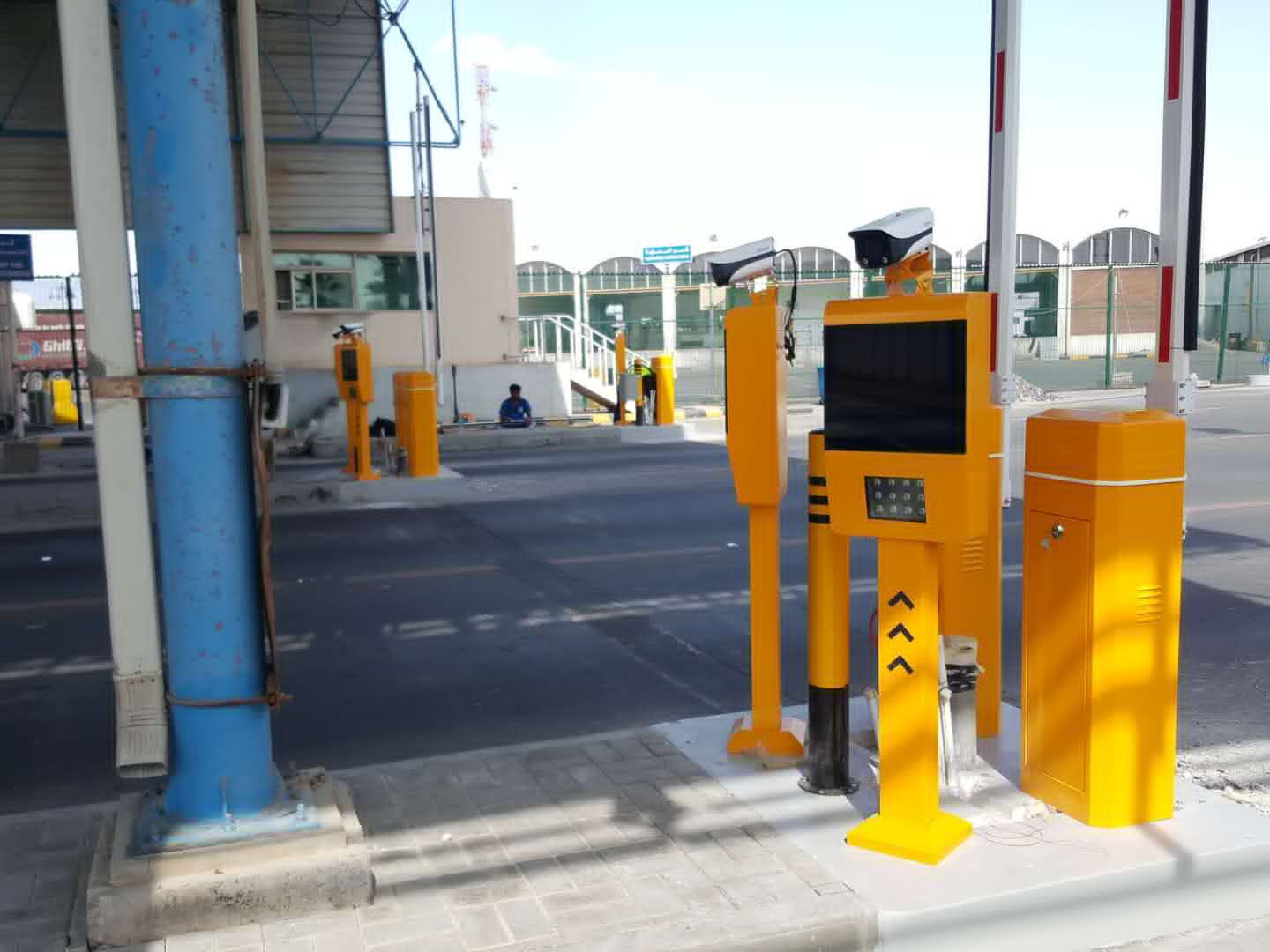
Card-based parking: every car must stop and collect a card before the barrier opens, which takes about five seconds. If a new driver cannot position the car on the first attempt, the time grows longer. It is estimated that at most 720 vehicles can pass per hour. On the exit side, each driver must stop and hand the card to the toll collector, who reads it and collects the fee; at best about 144 vehicles can leave per hour.
License plate recognition: vehicles can pass without stopping, and continuous flow-through is entirely possible. It is estimated that 2,400 vehicles can pass per hour, more than three times the speed of card swiping. On the exit side, the license plate parking system identifies the plate without inserting a card and calculates the fee automatically. It is estimated that 200 vehicles can leave per hour, 138% more than the card lane.
- Greater convenience
Fixed vehicles are managed fully automatically and temporary vehicles semi-automatically, cutting vehicle transit time, saving time for owners, and enabling intelligent management.
-
It removes the trouble caused by installing and maintaining card readers.
-
Owners no longer need to worry about the trouble caused by losing an ID card.
-
Unique rolling LED electronic displays keep owners and managers informed at a glance.
-
Fewer staff are needed while efficiency rises.
-
It saves the cost of ID cards and removes the worry of running short of cards.
-
It uses a reliable, adaptable digital vehicle detection system.
-
The anti-smash device ensures that the barrier will not lower while a vehicle, whether approaching or reversing, remains under the boom.