
Parking lot charging is generally divided into two models today: the traditional exit-payment model and the self-service payment model.
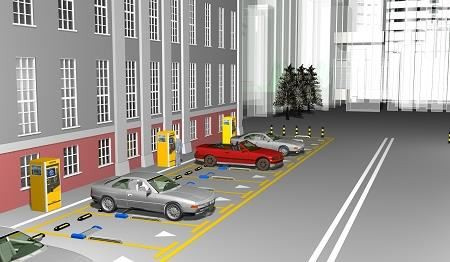
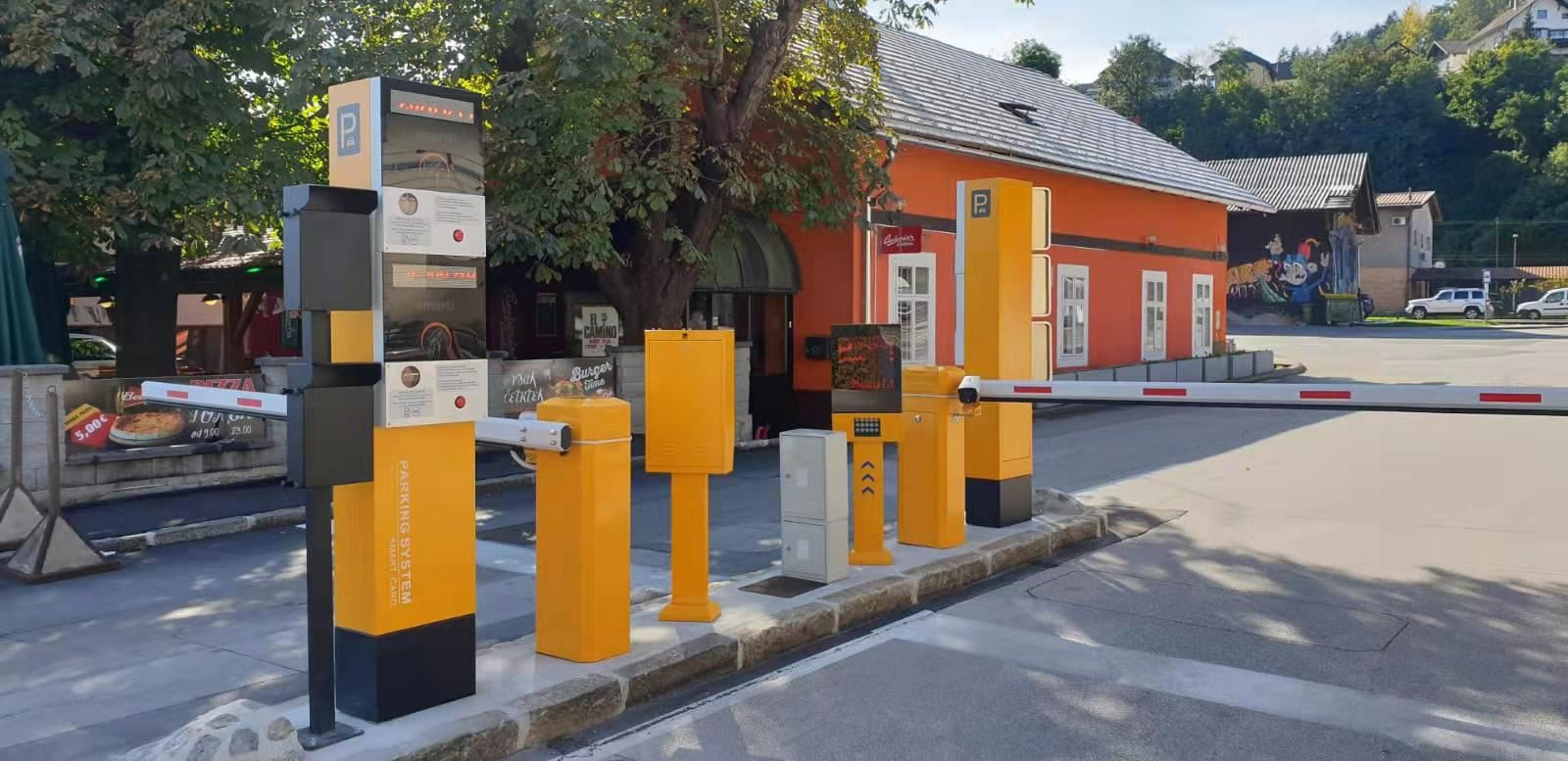
So how do these two charging models differ?
- Scalability
In the traditional exit-payment model, the number of toll booths is limited by the number of exit lanes at the lot, so scalability is relatively poor. The self-service payment machine model is easier to expand, and a self-service payment system is more convenient than the traditional approach.
- Payment efficiency
Self-service payment is more efficient than exit payment. During the same peak period, vehicles using self-service payment take roughly half as long on average to leave the parking lot compared with the exit-payment model.
- Cost
In terms of labor cost, the self-service payment model requires fewer toll collectors and emergency management staff than the exit-payment model.
- Payment trends
The self-service payment model is currently the more popular choice in the industry because it is highly convenient and fast. It improves efficiency, reduces costs, and works with a high-definition barrier vehicle recognition system, while also raising user satisfaction, making it a genuine "payment trend".
For this reason, what parking lots are pursuing today is an intelligent parking lot management system. Such a system not only lets merchants manage discounts, but also enables merchant consumption and parking discounts through discount coupons. It is also an important tool for merchants to promote their business.