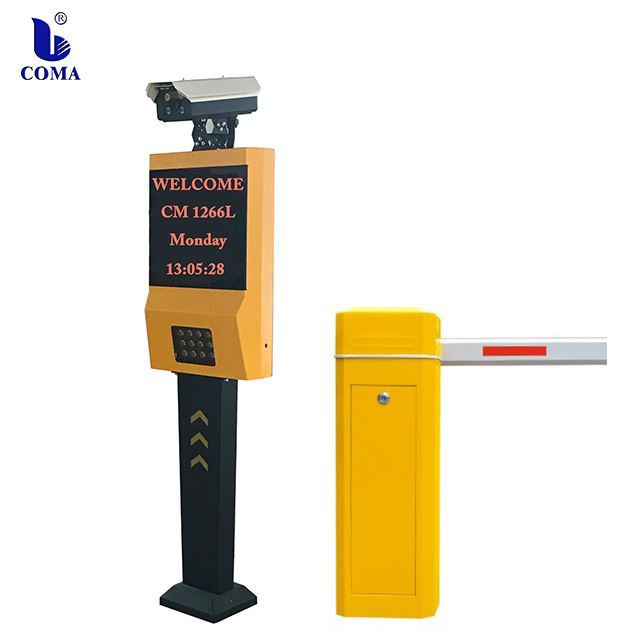
Parking lot management is most familiar to parking lot managers and car owners. Large businesses, urban centers and the underground parking lots of buildings have a large traffic volume, and the wide area of a parking facility is difficult for managers to oversee. When the parking system is backward, more management personnel are needed to guide vehicles in and out. Car owners have to queue when entering and leaving, and it is hard to enter the lot or find a space to park. This series of problems and the associated investment trouble both parking lot managers and car owners. So how should the current problems be solved?
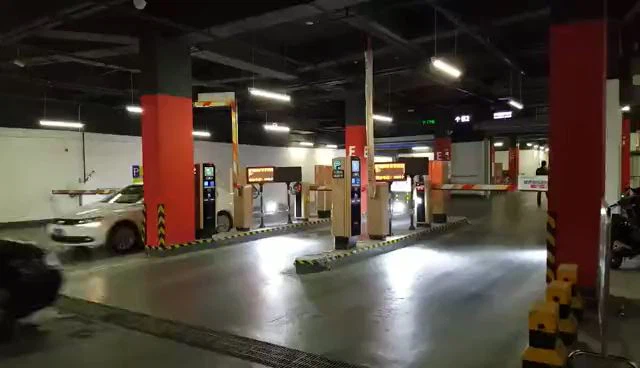
The reason the smart parking system is favored by the market is that, from the early parking lot system to today's smart parking system, it has undergone countless tests and updates. The experience gained has continuously improved product technology, and it has become the mainstream of smart city development. Its main advantages are advanced functions:
- No need to stop and no need to take a card to enter or exit the gate
Abandoning the previous manual card fetching and admission, license plate recognition technology lets vehicles pass slowly without stopping, greatly improving the passage rate.
- Parking guidance, precise guidance for parking
After entering the gate, an LED display guides drivers to which area has parking spaces, how many spaces remain, and which route to take.
- Reverse car search helps you find your car easily
The owner enters the license plate number into the reverse car finder to locate the vehicle. The finder displays the route and direction from the owner's position to the vehicle, making it easy to pick up the car.
- Unified management through the cloud system
The smart parking system obtains the vehicle's information as it enters the gate and saves the data in the cloud management system. When the vehicle exits, the identification system reads the vehicle's information. If the information obtained afterwards does not match, the gate will not release it and the vehicle cannot pass, effectively guaranteeing vehicle safety.