
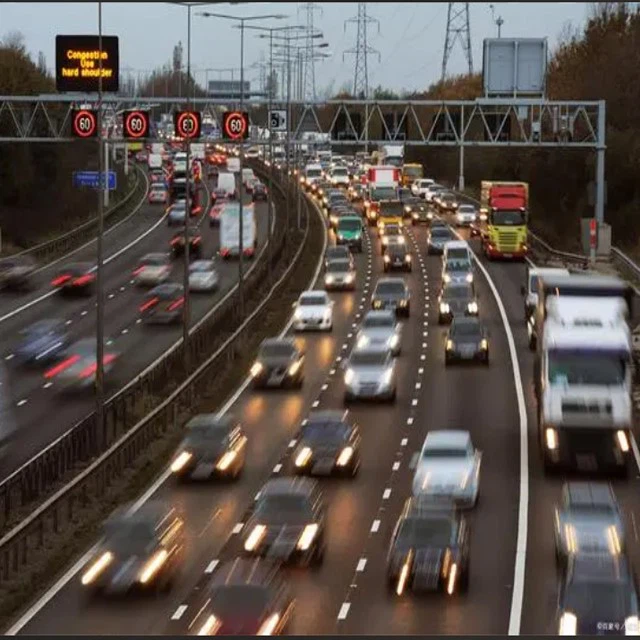
Artificial intelligence plays an important role in improving urban traffic. First, through intelligent traffic signal control systems, it can monitor traffic flow in real time, optimize signal timing, raise road traffic efficiency and reduce congestion. Second, it can support the development of intelligent parking systems by providing real-time parking information and guiding vehicles to find parking spaces quickly, cutting down the unnecessary driving caused by searching for a space.
Artificial intelligence can also be applied to public transportation management. By analyzing passenger flow and travel demand, it can optimize bus routes and departure frequency, making public transportation more convenient and more attractive.
In traffic planning, artificial intelligence can use big data analysis to predict and simulate urban traffic conditions, providing a scientific basis for urban planning and making traffic plans more reasonable.
Artificial intelligence can also be combined with Internet of Things technology to achieve real-time monitoring and management of vehicles and road facilities, so that traffic problems can be discovered and solved promptly.
Overall, artificial intelligence offers a variety of effective ways to address urban traffic problems. Through intelligent means, it can improve the overall operating efficiency and service quality of urban traffic, making travel for city residents more convenient, efficient and safe.