
As living standards improve, driving to see a doctor has become increasingly common. Many hospitals suffer a serious shortage of parking spaces, especially large hospitals, where parking occupies a great deal of road space and severely hinders the flow of traffic inside and outside the hospital. Large numbers of vehicles queue at the hospital entrance, seriously obstructing emergency and fire-fighting vehicles and creating a greater traffic safety hazard. The mismatch between supply and demand makes parking difficult, and this is a problem faced by major hospitals. How to solve difficult parking and how to effectively address the planning, construction and management of parking facilities are urgent issues.
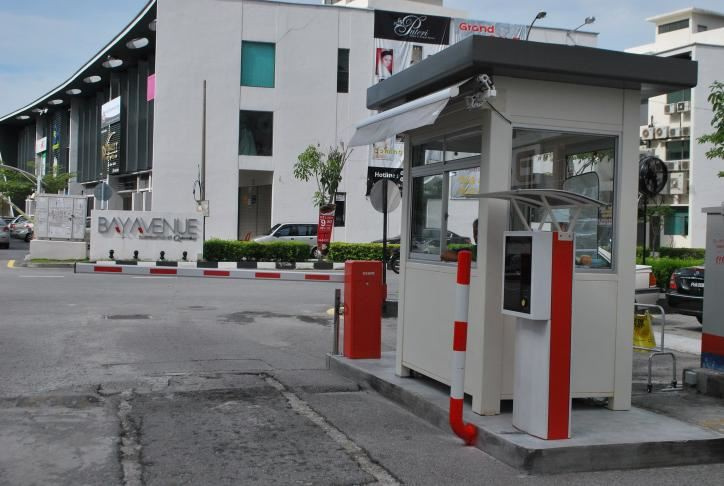
Upgrading a hospital to an unmanned parking lot management system requires only one integrated license plate recognition and barrier machine at the entrance and exit, which reduces cost and comprehensively improves the efficiency of the hospital's parking lot. Once the system is online, employees' vehicles, ambulances and fire trucks, long-term patient vehicles, and temporary vehicles and taxis are managed in groups. Vehicles can have their plates recognized directly on entry without stopping, solving congestion on the roads and at the hospital entrance. On exit, self-service payment machines are supported, speeding up the flow at the exit.
This not only reduces the personnel, management and equipment costs of the parking lot but also lowers maintenance costs. From the perspective of epidemic prevention and control, it also effectively reduces cross-infection that may be caused by personal contact, card handover and device buttons, letting you park more comfortably, manage with less worry, and use more securely.