
With the global emphasis on sustainable development and environmental protection, new energy vehicles have become an important force driving the transformation and upgrading of the global automotive industry.
Vietnam, as a major economy in the ASEAN region, has drawn the attention of global investors with its rapid economic growth and enormous market potential in recent years. As Vietnam's economy grows quickly and urbanization accelerates, its new energy vehicle market, and especially its electric vehicle and battery swap business, has entered a period of unprecedented opportunity.
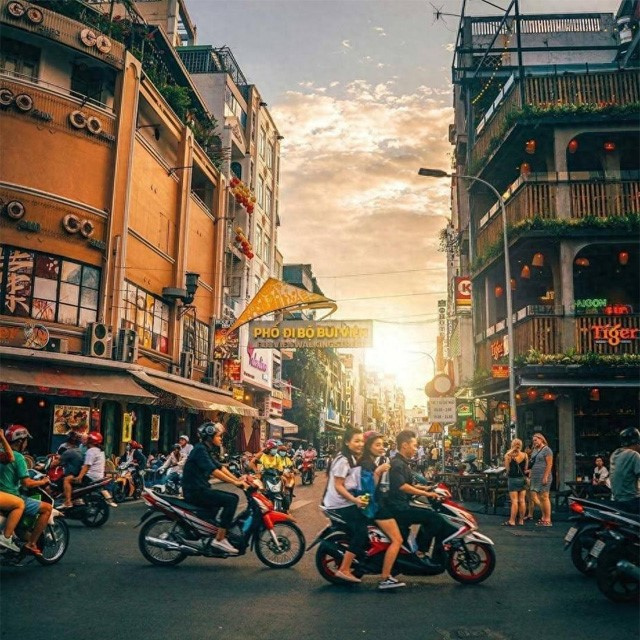
Under the Vietnamese government's plan, the country is gradually moving toward electrification. It intends to stop producing, assembling and importing fuel vehicles, motorcycles and mopeds for the domestic market by 2040, and to have all motor vehicles run on electric and green energy by 2050.
The Republic of Rwanda is a sovereign state in central and eastern Africa. In its capital, Kigali, motorcycles are the main means of transport for many people, and "motorcycle taxis" are one of the most important forms of public transportation.
From January 2025, the Rwandan government will stop registering gasoline motorcycles for public transport in Kigali and will allow only electric motorcycles to be registered. This is part of the government's effort to promote sustainable transportation.
Under the new policy, existing gasoline motorcycles may continue to operate until they are phased out through wear and tear, but they will need to meet emission standards.
In June 2021, Rwanda, working with the United Nations Development Programme (UNDP), began phasing out gasoline motorcycles and encouraging their conversion to electric models, with the aim of reducing greenhouse gas emissions and air pollution.