
As the number of vehicles grows, parking problems grow with it. Many large-scale shopping malls have carried out intelligent upgrades of their parking lots in order to attract consumers—for example, replacing card dispenser machines with license plate recognition and using parking space guidance. Such a system saves the time spent finding a car and can also check parking space information in real time to protect vehicle safety and achieve intelligent control.
The parking space guidance system is generally used in medium-scale or large-scale parking lots. These lots have a large internal space, a complex structure and many parking spaces, and owners waste most of their time finding a space. In serious cases, drivers become dissatisfied, which affects the customer's parking experience. At the same time, the parking lot manager cannot obtain real-time access to parking space status and can only dispatch personnel for manual management. The accuracy and real-time nature of the parking space information cannot be guaranteed, resulting in low utilization of the parking lot.
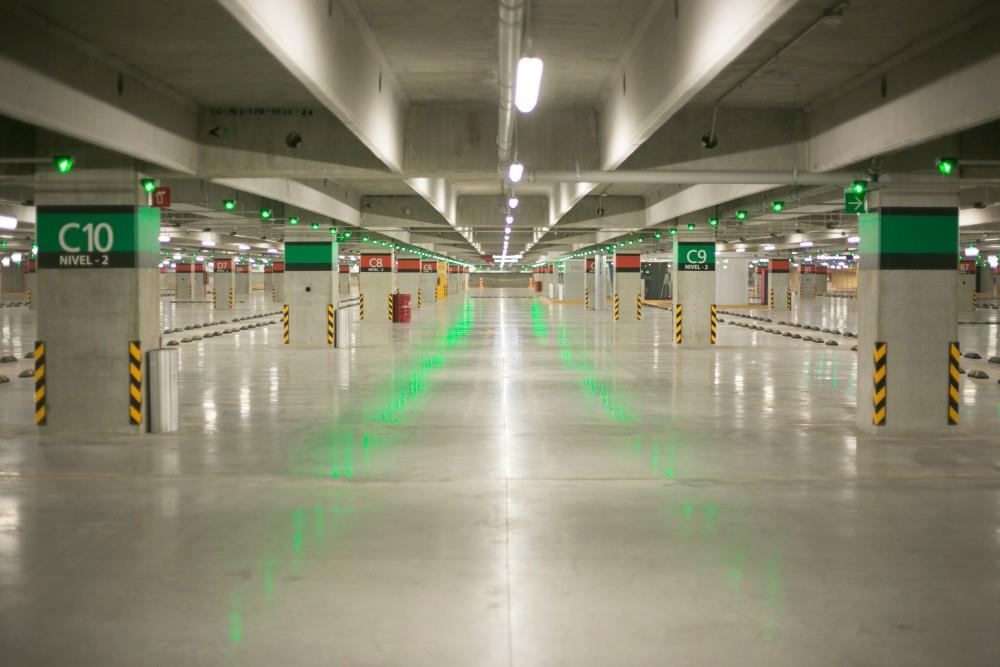
The parking space guidance system makes parking convenient for drivers. It monitors parking spaces in real time, and ultrasonic detection technology on each space uploads its occupancy to the backend management system in real time; the system then sends real-time analysis and guidance information to each guide screen and annunciator in the parking lot.
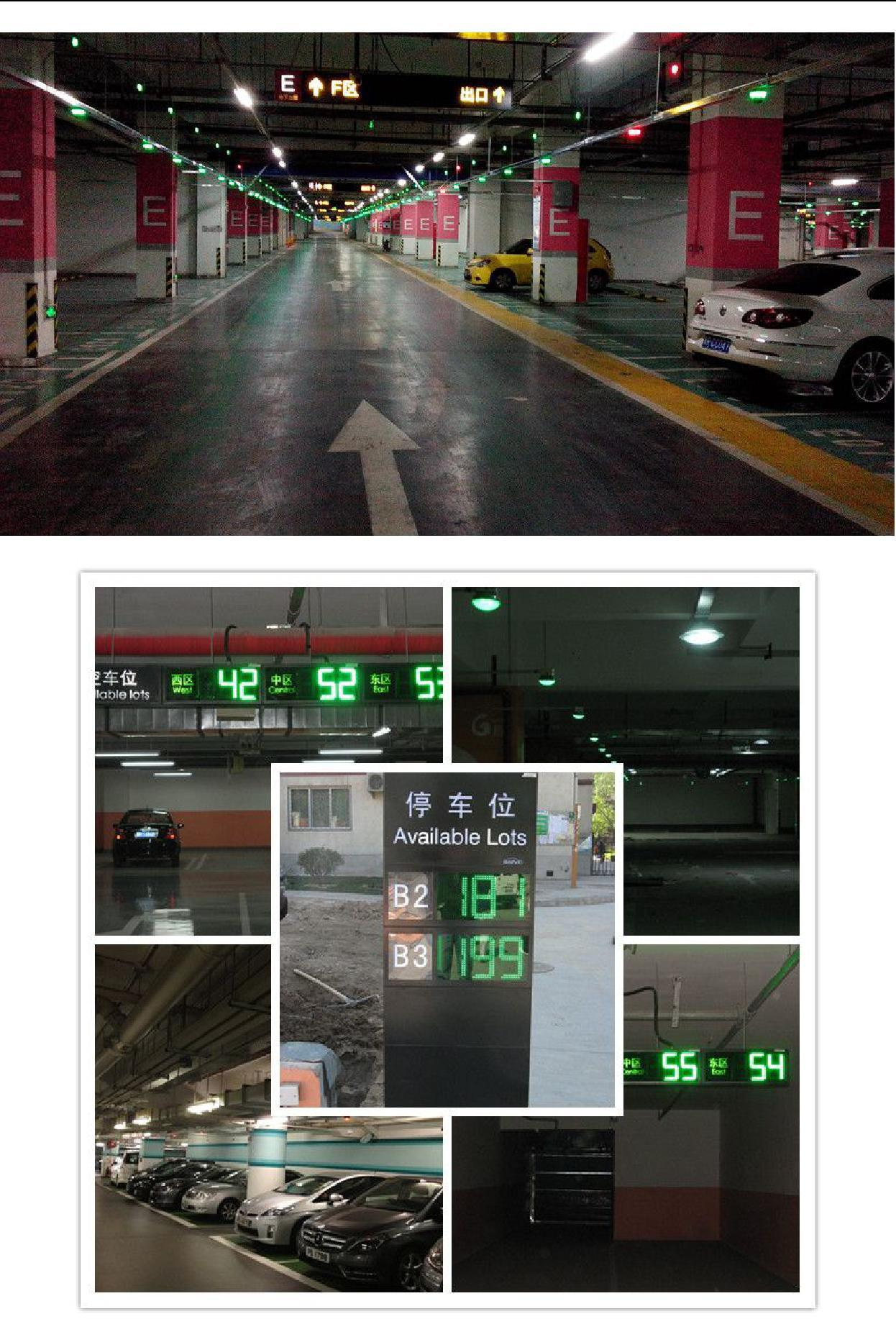
The parking guidance industry is the implementer of intelligent control in parking lots and has a broad market and development space. In a market economy, however, competition exists in every industry, and healthy competition encourages enterprises to continuously upgrade their technology and improve their product systems.