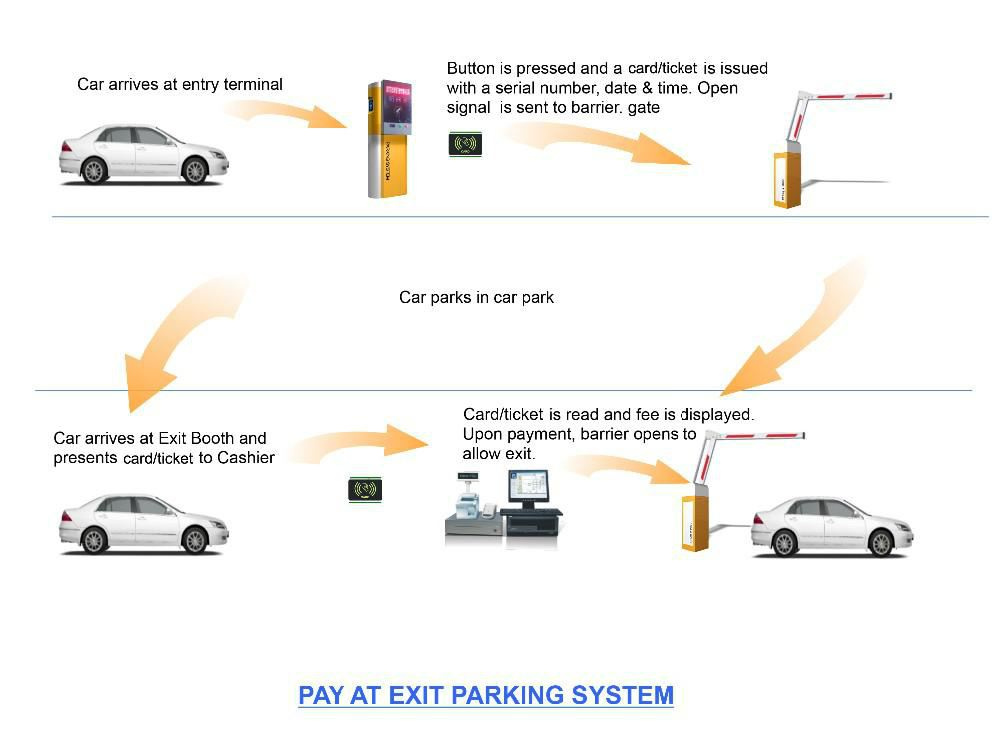
With the rapid increase in the number of vehicles and the growing demands of drivers, how can we make parking simpler, and how should a parking lot charging management system respond?
The parking lot system has been in use for more than ten years. Although management methods have changed, the functional evolution of parking lot systems still cannot keep pace with the growth in vehicle numbers or satisfy people's parking needs. However, technological developments over the past two years have changed how people view parking lot systems. They can now be used not only in special parking lots but also in units, hospitals, schools, residential areas, venues, scenic spots and more. Different locations require different management and charging modes, so a parking lot charging system needs to offer different functional standards according to changing user needs.
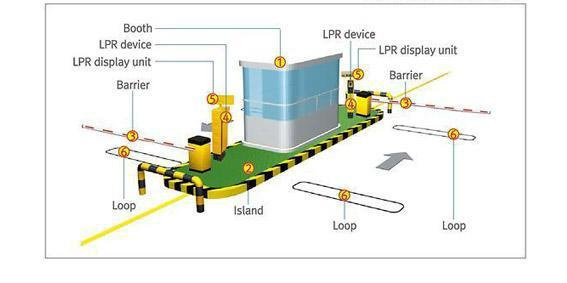
For large commercial complex parking lots, some merchants charge different parking fees according to customer spending. Employees, for example, may not be charged, while other vehicles can have some or all of the parking fee reduced based on the amount of their shopping receipts. These different charging standards are configured in the parking lot charging system software. In addition, because some commercial complexes handle a large traffic volume every day, manual charging alone may delay drivers, so different payment methods must be provided, such as cash and credit card payment. When an owner self-pays, the parking system needs to automatically confirm the vehicle and release it. The COMA parking management system is a good choice for this.
To improve parking efficiency and the parking environment, automation technology is used to replace manual management. These methods continuously meet people's parking needs and improve the functions of the parking charging system, giving owners more parking options.