
With the rapid growth of the new energy vehicle and electric two-wheeler markets, battery swap cabinets have become an efficient way to replenish energy and are gradually emerging as an important revenue channel for operators. By 2025, the market size of battery swap cabinets is expected to reach hundreds of billions of yuan. The following strategies can help operators generate revenue through battery swap cabinets.
1. Optimize the layout and operational efficiency of battery swap cabinets
Accurate site selection: Place battery swap cabinets in high-demand areas such as city centers, commercial districts, industrial parks, and areas with a concentration of food delivery activity, so as to serve high-frequency users such as delivery riders and couriers.
Intelligent management: Use the Internet of Things, big data, and cloud computing to manage battery swap cabinets intelligently. Operational efficiency can be improved by monitoring battery status in real time, forecasting swap demand, and optimizing scheduling.
Faster battery swaps: Adopt advanced swap technology and equipment to shorten swap times and improve the user experience, thereby attracting more users.
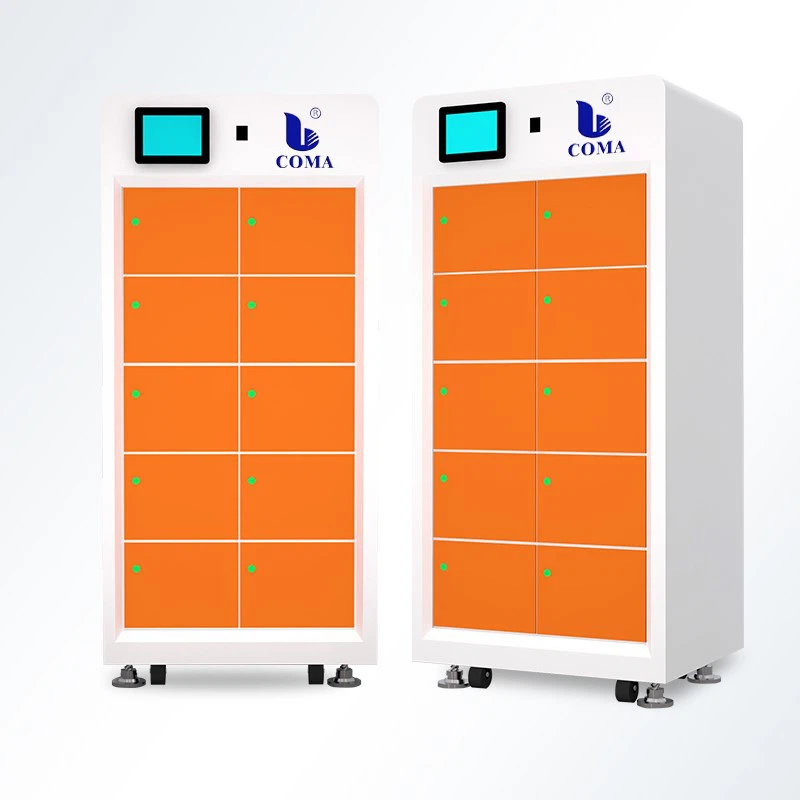
2. Expand diversified profit models
Charging for battery swap services: This is the most direct source of revenue. Operators can charge service fees based on the number of swaps, battery capacity, and usage time.
Battery leasing: Offer battery leasing to individuals or businesses, reducing the upfront cost of buying batteries while generating profit through leasing fees.
Value-added services: Provide services such as battery maintenance, care, and recycling to broaden revenue sources.
3. Strengthen industrial chain cooperation
Cooperation with vehicle manufacturers: Work with new energy vehicle and electric two-wheeler makers to promote unified battery swap standards and ensure seamless compatibility between cabinets and vehicles.
Cooperation with battery manufacturers: Build long-term relationships with battery suppliers to ensure a stable, high-quality supply while lowering procurement costs.
Cooperation with financial institutions: Use financial leasing models to help operators ease the burden of high initial construction costs and optimize their asset structure.
4. Meet diversified user needs
2C market: Provide convenient battery swap services for individual users to meet their daily travel needs.
2B market: Provide customized battery swap solutions for corporate users such as food delivery and express delivery companies to improve operational efficiency.
In 2025, the battery swap cabinet market will present enormous development opportunities. By optimizing layout, expanding profit models, strengthening industrial chain cooperation, and meeting diversified user needs, operators can achieve considerable revenue in this field. As market demand continues to be released and technology keeps advancing, battery swap cabinets will become an important piece of infrastructure for future urban travel and logistics distribution.