
The weighing system on a highway is mainly used to detect the weight of a vehicle.
When a vehicle drives onto the weighing platform, the weighing sensors are subjected to pressure. These sensors can convert pressure signals into electrical signals, and the weight at different positions of the vehicle causes the sensors to deform to different degrees, producing different electrical signals. These signals are transmitted to the data acquisition processor, which calculates the total weight of the vehicle according to a preset algorithm and calibration parameters.
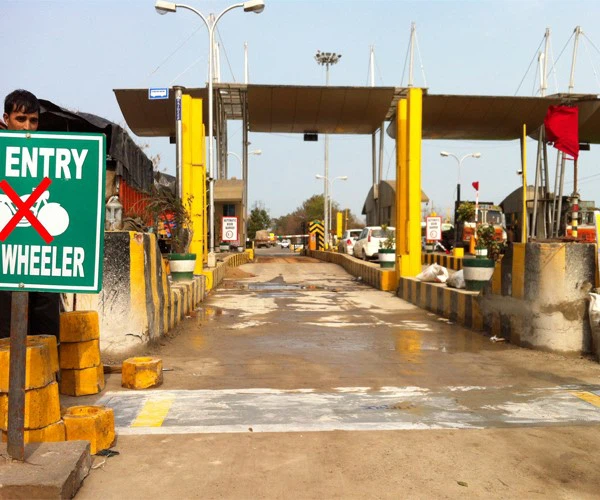
At the same time, the system makes a comprehensive judgment based on the number of axles, the wheelbase and other information about the vehicle. While the vehicle is moving, the dynamic weighing system can complete the weighing quickly, without requiring it to stop or stopping it only briefly. To ensure accuracy, the weighing system is calibrated regularly. It is also connected to the highway's toll system and monitoring system. Once a vehicle is found to be overweight, staff are reminded to deal with it, avoiding damage to the road caused by overloaded vehicles.