
Whether we call it soft recognition or hard recognition, it is really software recognition, and the core recognition algorithm is the same. The main difference is where it runs: software recognition usually runs on a PC, while hardware recognition usually runs on a DSP (digital signal processing chip).
Software recognition means, quite literally, recognizing a license plate number through software. Matching license plate recognition software is installed on a computer, and the captured images are recognized and processed there. It works by continuously capturing several photos with a camera (typically an analog standard-definition camera), selecting one of the clearer ones, and then processing the characters with the computer software to recognize the plate. Because each recognition requires several pictures to be captured, software recognition is relatively slow. It also places extremely high demands on image quality, which must be very clear to achieve the desired result. The approach has very high requirements for the on-site environment and the quality of the setup, so it is not suitable for many sites where conditions are less than ideal, and the placement of the equipment matters a great deal.
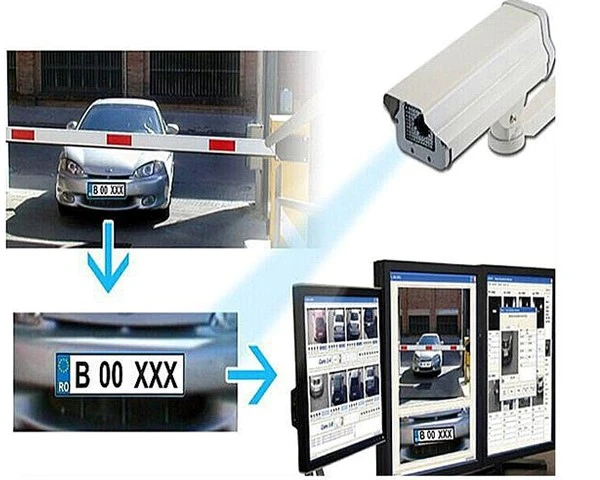
Hardware recognition, put simply, performs a series of character-processing steps on the captured images using dedicated hardware. Front-end hardware recognition is also called an integrated license plate recognition camera, because the traditional standalone recognition hardware is integrated with the camera. This type of device is now commonly called an all-in-one license plate recognition machine: the capture device handles the whole task of image capture and character recognition. It combines a network megapixel high-definition camera with embedded hardware recognition technology to integrate capture and recognition seamlessly.
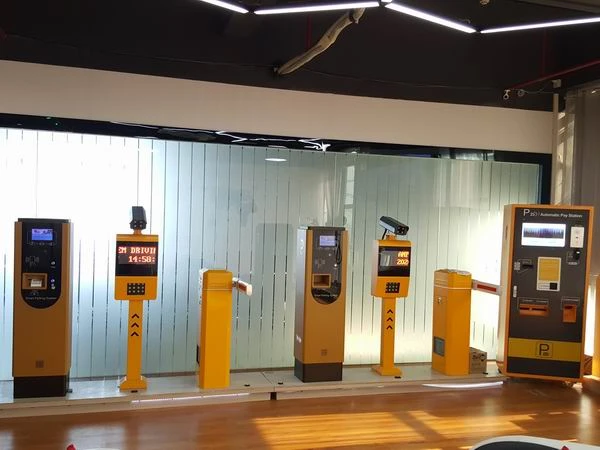
So how does the COMA license plate recognition system demonstrate its advantages?
First, the recognition camera is easy to install. You only need to consider the camera's mounting position. The capture device has relatively relaxed requirements for the environment and works fine outdoors, which solves the problem of using a separate recognition device; a traditional hardware recognition system has to account for both the recognition device and a camera during installation.
Second, because the recognition camera combines a network high-definition camera with embedded hardware recognition, the demands on the site are not so strict. It captures the whole lane, so the on-site environment is clearly visible, the plate may be tilted at a large angle, and the road requirements are low. Lane photos, plate photos and plate numbers are output automatically, whereas a traditional recognition system places extremely strict requirements on photos.
Third, wiring is convenient. The recognition camera transmits data over TCP/IP, so only a network cable is needed for data transmission, and the integrated camera has a built-in power supply that can be powered directly.
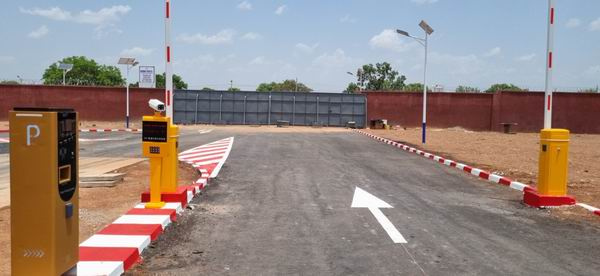
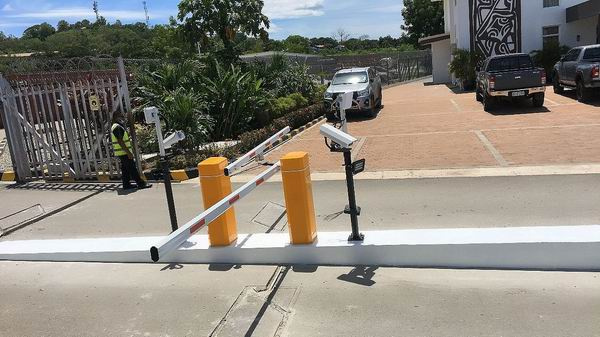
COMA PARKING has focused on manufacturing parking equipment and providing customized, integrated parking solutions since 1996.